


Hepatitis C
Share


Follow Us
- What is Hepatitis C?
- What Causes Hepatitis C?
- Who is at Risk for Contracting Hepatitis C?
- What are the Signs and Symptoms of Hepatitis C?
- Are There Different Types of Hepatitis C (Genotypes)?
- Is it Possible to Become Infected with More Than One Genotype of Hepatitis C?
- How is Hepatitis C Diagnosed?
- Is it Possible for Hepatitis C to Clear on Its Own?
- What is the Conventional Medical Treatment for Hepatitis C?
- Are There Alternative Therapies for the Treatment of Hepatitis C?
- What is the Long Term Prognosis for Hepatitis C?
What is Hepatitis C?
 Discovered in 1989, Hepatitis C is a contagious disease which is caused by a virus that infects the liver. The Hepatitis C virus (HCV) is the most common cause of chronic liver disease in the United States with prevalence of Hepatitis C virus increasing worldwide. Globally, HCV prevalence is estimated to be about 177.5 million infected adults.
According to the World Health Organization, about 71 million people are chronically infected with the Hepatitis C virus, with more than 399,000 people dying from Hepatitis C-related liver diseases each year.
The Centers for Disease Control estimates that 2.4 million Americans have been chronic Hepatitis C infection.
If left untreated, Hepatitis C can lead to liver cancer, liver damage and ultimately liver failure.
What Causes Hepatitis C?
Hepatitis C occurs as the result of percutaneous transmission of the hepatitis C virus through infectious blood. Percutaneous means the infected blood must be absorbed through the skin and enter the bloodstream of another person – in other words, blood-to-blood. Hepatitis C is approximately seven times more infectious than HIV.
Hepatitis C is most commonly transmitted in the following manner:
 Intravenous drug use (injection) – Currently, the most common means of Hepatitis C transmission in the United States. The rate of infection is rising with the explosive increase in the misuse of opioids and heroin.
- Blood and Blood Product Transfusions (before 1992)
- Organ Transplants (before 1992)
- Hemodialysis (before 1990)
- Healthcare and Occupational Exposure (needle-stick injuries)
- Intranasal Drug Use (snorting drugs through a straw)
- Tattooing and Body Piercing
- Birth to an HCV infected mother
- Sexual Contact
- Household Contact (sharing of personal items such as razors, toothbrushes, scissors and manicuring equipment within the same household)
- Medical Procedures
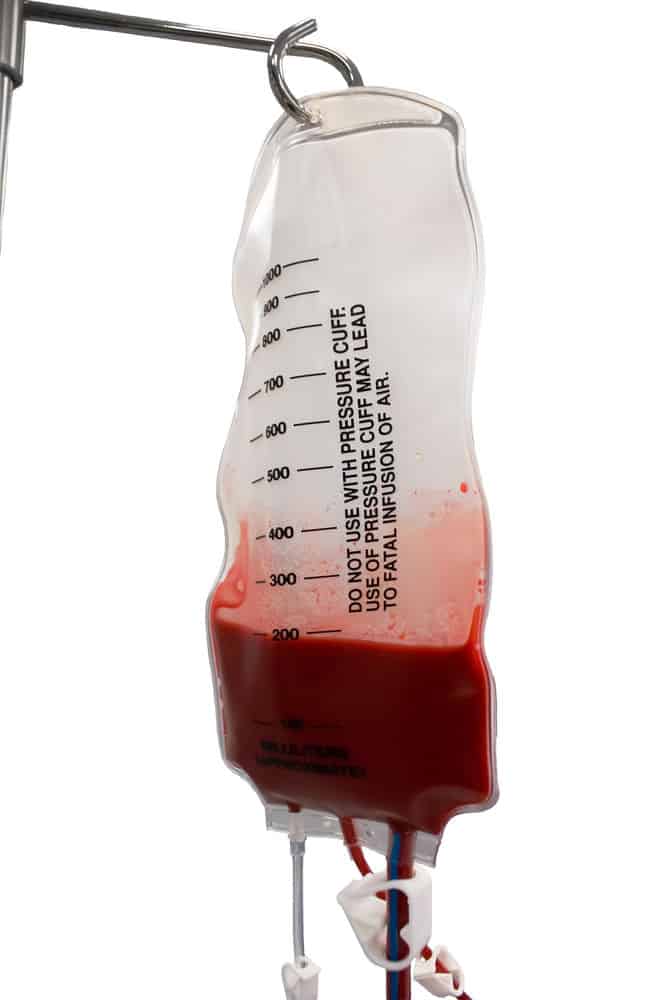
Hepatitis C is not transmitted by casual contact like hugging or kissing, nor is it transmitted through breast milk (unless the mother’s nipples are cracked or bleeding), food, water or sharing food or water with an infected person.
Who is at Risk for Contracting Hepatitis C?
The following individuals are at risk for contracting Hepatitis C:
- People who have injected illicit drugs, even if only one time or a few times, including those who have injected only once many years ago
- Healthcare workers who have been exposed to infectious blood on the job or have been stuck by a needle infected with the Hepatitis C virus
- People who were notified that they received blood from a donor who tested positive after they had already donated their blood
- People who received a blood transfusion or had a solid organ transplant before 1992
- People who have HIV
- People who received blood clotting factor products before 1987
- People who are long-term hemodialysis patients
- People who were born to a woman infected with Hepatitis C
- People who live in a household with an infected person
- People who have/had unprotected sex with multiple partners, and/or between males, particularly where there is a history of a sexually transmitted disease
- People who engage or have engaged in anal sex without a condom
- People who have tattoos and body piercing
- People who have signs or symptoms of liver disease such as abnormal liver enzyme tests
- People who have ever worked or been housed in a prison
What are the Signs and Symptoms of Hepatitis C?
There are two types of Hepatitis C – acute (brief and severe) and chronic (having long duration). Individuals with acute Hepatitis C usually do not manifest symptoms and the small percentage that do (25 to 35 percent) will experience symptoms similar to the other cases of acute hepatitis, including flu-like symptoms, joint aches or mild skin rash. Individuals that are particularly likely to experience a severe course of Hepatitis C are those individuals that already have Hepatitis B and become infected with acute Hepatitis C.
Other symptoms which may be experienced by individuals with acute Hepatitis C are:
- Loss of appetite
- Abdominal pain
- Dark urine
- Grey colored stool
- Jaundice (yellowing of the skin and whites of the eyes)
As is the case for acute Hepatitis C, most people who have chronic Hepatitis C do not experience symptoms in the early stages or even in the advanced stages of the disease. Therefore, it is not uncommon to find out, by surprise, that one has the virus when donating blood or during a routine blood examination. It is possible to have Hepatitis C for many years and not know it which is the reason why the disease has been referred to as a silent killer.
 If symptoms do occur, they will most likely exhibit as:
- Pain and tenderness in the area of the liver
- Fever
- Joint and muscle pain
- Decreased appetite
- Weight loss
- Depression
- Jaundice (yellowing of the skin and whites of the eyes)
- Fatigue
In those persons who do develop symptoms, the average time period from exposure to symptom onset is 4–12 weeks (range: 2–24 weeks).
Chronic Hepatitis C may cause signs and symptoms which manifest in other organs beside the liver as the result of the immune system’s effort to fight off the Hepatitis C infection. In some cases of Hepatitis C, the kidneys can be damaged because of a condition known as cryoglobulinemia.
Cryoglobulinemia is the presence of abnormal proteins in the blood called cryoglobulins. Cryoglobulins is a term for proteins in the blood that become solid at low temperatures. When cryoblobulins thicken or become gel-like, they block blood vessels throughout the body which may lead to complications ranging from skin rashes to kidney failure.
Are There Different Types of Hepatitis C (Genotypes)?
Hepatitis C is divided into six distinct genotypes throughout the world with multiple subtypes in each genotype class. A genotype is a classification of a virus based on the genetic material in the RNA (Ribonucleic acid) strands of the virus. Generally, patients are only infected with one genotype, but each genotype is actually a mixture of closely-related viruses called quasi-species. These quasi-species have the ability to mutate very quickly and become immune to current treatments, which explains why chronic Hepatitis C is so difficult to treat.
In 2014, HCV genotypes and subtypes wer expanded. There are now 7 different HCV genotypes and 67 subtypes. Following is a list of the different genotypes of chronic Hepatitis C:
Genotype 1a, 1b, 1c, 1e, 1g, 1h
Genotype 2a, 2b, 2c, 2d, 2e, 2i, 2j, 2k, 2m, 2q, & 2r
Genotype 3a, 3b, 3h, 3h, 3i, & 3k
Genotype 4a, 4b, 4c, 4d, 4f, 4g, 4k, 4l, 4m, 4n, 4o, 4p, 4q, 4r, 4t, 4v, & 4w
Genotype 5a
Genotype 6a, 6b, 6c, 6d, 6e, 6f, 6g, 6h, 6i, 6j, 6k, 61, 6m, 6n, 6o, 6p, 6q, 6r, 6s, 6t, 6u, 6v, 6w, & 6xa
Genotype 7a
Genotype 1 is the most common type of Hepatitis C genotype (70% of cases) in the United States. For physicians, knowing the genotype of Hepatitis C is helpful in making a treatment recommendations as well as treatment duration. Once the genotype is identified, it need not be tested again as genotypes do not change during the course of infection.
Is it Possible to Become Infected with More Than One Genotype of Hepatitis C?
Superinfection is possible if risk behaviors (e.g., injection drug use) for Hepatitis C infection continue. A reasonable path for the highly mutable Hepatitis C virus, superinfection is when a cell previously infected by one virus becomes co-infected with a different strain of the virus. Unfortunately, viral superinfections are common causes of treatment resistance – where a previously effective therapy loses its efficacy. In addition, superinfections have been known to reduce the overall effectiveness of the immune response.
Through studies conducted on intravenous drug users (the largest single risk group for Hepatitis C), researchers concluded that Hepatitis C re-infection and superinfection are common among actively injecting drug users.
Rare cases of sexually transmitted Hepatitis C superinfection in HIV/Hepatitis C virus-co-infected patients with high-risk sexual behavior have been reported. The patients had chronic Hepatitis C and a history of sexually transmitted infections. No risk factors for Hepatitis C were found except unprotected anal sex with multiple casual male partners.
Hepatitis C-infected kidneys transplanted into Hepatitis C-infected recipients have been shown to cause superinfection.
How is Hepatitis C Diagnosed?
 HCV infection is detected through several blood tests. About 4-10 weeks after exposure, a screening test for the antibody to HCV can be detected by anti-HCV screening test (enzyme immunoassay). A positive or ‘reactive’ test for the HCV antibody could mean you have a current infection, or a past infection that has since resolved or a false positive. If HCV antibody has been detected, the next test would be for HCV RNA which detects the presence or absence of the virus – this will determine if you have a current infection. Lastly, if the virus is detected, a quantitative test to detect the amount of virus (HCV RNA PCR) will be conducted. The Centers for Disease Control provide a chart to help interpret the results of tests for HCV.
It should be noted that when people with early infections have not developed antibody levels high enough that the test can measure, a false negative occurs. In addition, some people may lack the immune response necessary for the test to work well. If you have been recently exposed or have a compromised immune system a PCR (polymerase chain reaction) may be considered in the event of a nonreactive anti-HCV test.
While lab tests can confirm the presence of HCV, it cannot determine if it has caused any damage to the liver or how severe the damage may be. In order to assess this your doctor will order either a liver biopsy or a non-invasive liver firosis tests.
A liver biopsy (a procedure wherein a small sample of liver tissue is removed using a needle) can determine the precise degree of inflammation and scar tissue in cases of chronic hepatitis, as well as the cause, i.e., alcohol, viruses or a combination of both. Liver biopsy is also the only way to establish the presence or absence of cirrhosis of the liver. And finally, liver biopsy can aid in determining decisions with regard to if and when treatment should be started, based on the findings.
Less invasive options include ultrasound, FibroScan®, and blood tests to help determine the state of the liver. Ultrasounds can be used to detect if tumors are present and may also detect cirrhosis. Should a tumor be found additional tests such as MRIs or CAT Scan may be ordered.
FibroScan® is a noninvasive diagnostic ultrasound-based device used to measure liver scarring, or fibrosis. The procedure is similar to a conventional ultrasound in that gel is applied to skin and a proble is place over the liver area. It is quick, painless and easy, providing a non-surgical alternative to the traditional liver biopsy to assess liver damage.
Blood tests could also be performed that can help estimate the degree of liver fibrosis. The tests commonly used are the FibroSpect, FibroSure and FibroTest. However, these tests often vary in accuracy.
Is it Possible for Hepatitis C to Clear on Its Own?
It is possible for Hepatitis C to go away without treatment, however, of all people who contract Hepatitis C, only fifteen percent or less will have a self-limited case in which their immune system defeats the virus. It has not been established exactly why this happens.
What is the Conventional Medical Treatment for Hepatitis C?
Not all people who have been diagnosed with Hepatitis C need treatment, especially in the case of acute Hepatitis. Medication may be prescribed, however, bed rest, drinking plenty of fluids, avoidance of alcohol and eating a healthy diet will be recommended by the doctor. It is important to work closely with one’s doctor and follow up with tests to make sure the virus has cleared the body.
Some people won’t be treated because they don’t know they have the Hepatitis C virus.
 Individuals who have been diagnosed with chronic Hepatitis C will probably be treated with various combinations of medication. The type of treatment as well as the length of treatment for Hepatitis C depends on the genotype of the virus. Working closely with one’s physician, using an open line of communication will help in determining the best course of action.
For various medications used for the treatment of Hepatitis C, please visit our Medications to Treat Hepatitis C Timeline.
Finally, if the liver is severely damaged, a liver transplant may be recommended. End-stage liver disease (cirrhosis) due to chronic Hepatitis C viral infection is the number one reason for liver transplantation in the United States. During the transplant procedure, the diseased liver will be replaced with a healthy liver from an organ donor or from a live donor who donates a portion of their healthy liver. However, contrary to popular misconception, a liver transplant is not a cure for Hepatitis C. Unfortunately, the Hepatitis C virus recurs in the new liver in almost all cases, with fibrosis (scarring of the liver) or cirrhosis occurring in 10% to 30% of patients in as little as 5 years after the transplant.
Further studies are needed to develop better strategies to prevent recurrence of infection after a liver transplant as well as better treatment protocols after reinfection of the liver has occurred.
Are There Alternative Therapies for the Treatment of Hepatitis C?
Many people who have Hepatitis C choose to follow an alternative method of treatment due to the side effects and costs of current medical therapy. Complementary and Alternative Medicine (CAM) is chosen as a means of treatment most commonly to boost the immune system, slow disease progression and improve quality of life.
The best CAM route in the treatment of Hepatitis C appears to be the approach that focuses on protecting and supporting the liver and keeping the immune system healthy; however, none of these therapies are cures.
Some of the preferred alternative therapies for Hepatitis C include:
 Milk Thistle – The most popular CAM strategy chosen for treating Hepatitis C is the use of single herbal remedies – namely, milk thistle which is the most well researched and supported supplement to aid in liver health. Silymarin, milk thistle’s active ingredient, is an antioxidant, hepatoprotectant, and anti-inflammatory. Silymarin also stimulates growth of new liver cells. Silymarin has been used to treat alcoholic liver disease, acute and chronic viral hepatitis and toxin-induced liver diseases. Results of clinical trials and systematic reviews of silymarin use show high efficacy of the drug in patients with viral hepatitis. Recently shown to inhibit Hepatitis C virus infection, both in vitro (an isolated organism within glass) and in vivo (using a whole, living organism), silymarin’s antivirus action blocked cell-to-cell spread of the virus including blocking of virus entry and transmission. Studies done as recently as June, 2011, prove that silymarin, combined with interferon proves to be an effective option to treat Hepatitis C infection. Other herbal remedies include lecithin, Eclipta alba, schizandra and licorice root. Just as there are beneficial herbs to treat Hepatitis C, it is important to note that there are certain herbs and supplements that can harm the liver such as skullcap, kava kava, vitamin A, ephedra (mahuang), and comfrey.
- Ayurvedic Herbal Medicine – Based on an ancient Indian medical theory wherein it is believed there are five elements – fire, water, earth, air and ether. Each has a counterpart in the elements that define the health of the human body. These bodily elements join to produce the three doshas (humors): vita, pitta and kapha. Healing is achieved by balancing the three doshas. The taste of an herb determines its healing properties – tastes being sweet, sour, salty, pungent, bitter, or astringent.
- Traditional Chinese Medicine (TCM) – Also incorporates five elements – fire, earth, metal, water and wood with its own complement in the body and is also based upon taste. The taste of an herb determines its action on the body. Herbs without a distinct taste are categorized as bland. Temperature is also an indicator of herb action. TCM divides medicinal plants into hot, warm, neutral, cool and cold herbs. The aim of TCM is to achieve health through achieving balance, just as is the aim of Ayurvedic Herbal Medicine. Therefore, the concept of two complementary energies, yin and yang, is ascribed to many foods and herbs. In an attempt to restore balance of elements, tastes, temperature and yin and yang, complex herbal mixtures are prescribed by TCM practitioners.
- Massage – Recognized as one of the oldest methods of healing with references in medical texts going back as long ago as 4,000 years. Also referred to as bodywork or somatic therapy, massage therapy refers to the application of various techniques to the muscular structure and soft tissues of the body that include applying fixed or movable pressure, holding, vibration, rocking, friction, kneading and compression using primarily the hands, although massage therapists do use other areas of the body, such as the forearms, elbows or feet. All of the techniques are used for the benefit of the musculoskeletal, circulatory-lymphatic, nervous, and other systems of the body. It has been shown that massage therapy positively influences the overall health and well-being of the client.
- Antioxidants – Antioxidants are substances that may protect cells from the damage caused by unstable molecules known as free radicals. Free radical damage may lead to diseases such as cancer and heart disease. Antioxidants interact with and stabilize free radicals and may prevent some of the damage free radicals might otherwise cause. Examples of antioxidants include milk thistle, n-acetyl l-cysteine, alpha r-lipoic acid, beta-carotene, lycopene, vitamins C, E, and A, as well as other substances.
- Acupuncture – Originating in China over 5000 years ago, acupuncture is a component of Chinese Traditional Medicine or Oriental Medicine. The aim of acupuncture is to restore and maintain health through the stimulation of specific points of the body by inserting thin, solid, metallic needles through the skin which then are manipulated by the hands or by electrical stimulation. Acupuncture is based on the belief that living beings have a vital energy, called “qi”, that circulates through twelve invisible energy lines known as meridians on the body. Each meridian is associated with a different organ system. An imbalance in the flow of qi throughout a meridian is how disease begins, therefore, adjusting qi through acupuncture, helps the body heal itself.

For those interested in learning more about liver supporting natural supplements, visit NaturalWellness.com.
What is the Long Term Prognosis for Hepatitis C?
The future looks promising for those with Hepatitis C. Fortunately, scientific advances and intense research and development have led to the development of many oral antiviral drugs. In addition, research shows that combining specific supplements such as milk thistle shows promise in assisting the liver of patients with Hepatitis C.
The odds of living well with Hepatitis C rather than dying from Hepatitis C are very good. By maintaining a positive attitude, working closely with one’s physician after diagnosis, getting support from as many areas as possible (family, friends and support groups), and making positive lifestyle changes, Hepatitis C doesn’t have to be the death sentence it was once believed to be.
Acute liver failure. (2017, August 29). Retrieved June 28, 2019, from https://www.mayoclinic.org/diseases-conditions/acute-liver-failure/symptoms-causes/syc-20352863
Hepaitis C Diagnostic Tests. (2019, March 4). Retrieved June 28, 2019, from https://www.hepmag.com/basics/hepatitis-c-basics/hepatitis-c-diagnostic-tests
Hepatitis C Questions and Answers for Health Professionals | CDC. (2019, April 9). Retrieved June 28, 2019, from https://www.cdc.gov/hepatitis/hcv/hcvfaq.htm
Hepatitis C. (2018, July 18). Retrieved June 28, 2019, from https://www.who.int/news-room/fact-sheets/detail/hepatitis-c
Interpretation of Results of Tests for Hepatitis C Virus (HCV) Infection and Further Actions. (n.d.). Retrieved June 28, 2019, from https://www.cdc.gov/hepatitis/hcv/pdfs/hcv_graph.pdf
Krishna, Y. R., Mittal, V., Grewal, P., Fiel, M., & Schiano, T. (2011). Acute Liver Failure Caused by ‘Fat Burners’ and Dietary Supplements: A Case Report and Literature Review. Canadian Journal of Gastroenterology, 25(3), 157-160. doi:10.1155/2011/174978
Larson, A. M., MD, FACP. (2010, May 21). Diagnosis and Management of Acute Liver Failure. Retrieved June 28, 2019, from https://www.medscape.com/viewarticle/720697_3
Liver FibroScan. (n.d.). Retrieved June 28, 2019, from https://www.northshore.org/gastroenterology/procedures/fibroscan/
Petruzziello, A., Marigliano, S., Loquercio, G., Cozzolino, A., & Cacciapuoti, C. (2016). Global epidemiology of hepatitis C virus infection: An up-date of the distribution and circulation of hepatitis C virus genotypes. World Journal of Gastroenterology, 22(34), 7824. doi:10.3748/wjg.v22.i34.7824
Rutherford, A., Davern, T., Hay, J. E., Murray, N. G., Hassanein, T., Lee, W. M., & Chung, R. T. (2006). Influence of High Body Mass Index on Outcome in Acute Liver Failure. Clinical Gastroenterology and Hepatology, 4(12), 1544-1549. doi:10.1016/j.cgh.2006.07.014
Smith, D. B., Bukh, J., Kuiken, C., Muerhoff, A. S., Rice, C. M., Stapleton, J. T., & Simmonds, P. (2013). Expanded classification of hepatitis C virus into 7 genotypes and 67 subtypes: Updated criteria and genotype assignment web resource. Hepatology, 59(1), 318-327. doi:10.1002/hep.26744
Testing for HCV Infection: An Update of Guidance for Clinicians and Laboratorians. (2013, May 10). Retrieved June 28, 2019, from https://www.cdc.gov/mmwr/preview/mmwrhtml/mm6218a5.htm